Barnyard Veterinary Service & Supply

  • Home
  • Services
  • Products
  • News & Education
    • Events
  • About
    • Emergency Care
    • Meet Our Staff
    • Employment
  • Resources

Category Archives: Education

Pets, Vaccines and Warts

Posted on January 7, 2015 by Sandra Wahlert DVM Posted in Education .

Does vaccinating my dog or cat cause warts?
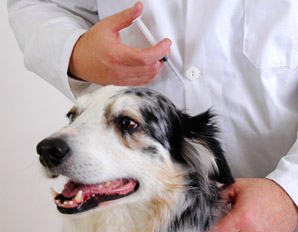
Dog getting a vaccinationNo.  Warts or papillomas are benign tumors that are caused by specie specific papilloma viruses.

These DNA viruses cause chromosomal mutations within the skin (epithelial cells) that express themselves as the ugly lumpy bumps that we see growing almost any place on our pets.  The wart viruses are spread by direct and indirect contact and can take 1-2 months to show up after exposure.Warts often spontaneously regress after 4-12 months especially in younger animals.

Warts are usually seen in younger animals with developing immune systems, older animals with weakening immune systems, and in patients that may have a weakened immune system due to other diseases or in those taking  immunosuppressive  medications.


Share this:
Share this page via Email Share this page via Stumble Upon Share this page via Digg this Share this page via Facebook Share this page via Twitter

November is National Pet Diabetes Month

Posted on November 19, 2014 by Sandra Wahlert DVM Posted in Education .

Is your dog or cat drinking excessive amounts of water, urinating large volumes frequently or having accidents in the house or outside the litter box?

If your pet is exhibiting any of these symptoms, schedule an appointment with your veterinarian.  Many diabetic animals also show signs of weight loss despite having a good appetite.  Cats may have a plantigrade stance (walking on more of the hind leg than normal) and dogs can develop cataracts.  Blood and urine tests confirm the diagnosis. Most cases of diabetes can be managed with prescription diets and daily to twice daily insulin injections. Obesity is a risk factor so prevent diabetes by keeping  your pets slim and trim.

Share this:
Share this page via Email Share this page via Stumble Upon Share this page via Digg this Share this page via Facebook Share this page via Twitter

Let the feasting begin, but don’t stuff your pets.

Posted on November 19, 2014 by Sandra Wahlert DVM Posted in Education .
Dog with text that reads: Every meal you make, every bite you take, I'll be watching you

No matter how much they watch, beg, nudge, drool…don’t give in!

It’s those big sad eyes, constant nudging, and drool that tug at the heart strings of every pet owner.  It’s hard to resist such cuteness, but stand strong pet owners! Many of the tasty holiday treats that we indulge in are harmful or toxic to pets.

Fried and fatty foods, butter and any food with a lot of salt, seasonings, or nitrites can cause gastrointestinal disturbances including vomiting, diarrhea and pancreatitis. One macadamia nut can be lethal as can the natural sweetener xylitol found in many candies and baked goods.  Grapes, raisins, currants, onions, garlic, alcohol, and of course chocolate are all on the toxic table scraps list.

Ask your veterinarian about safe treats for your individual pet(s).


Share this:
Share this page via Email Share this page via Stumble Upon Share this page via Digg this Share this page via Facebook Share this page via Twitter

By-products in Pet Food

Posted on October 10, 2014 by Sandra Wahlert DVM Posted in Education .

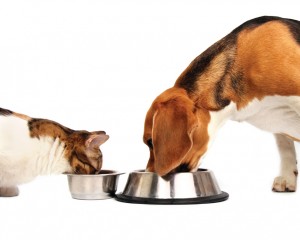
cat and dog eatingWhat’s up with by-products in pet food?

Some people cringe when they see the word meat by-products on their pet’s food bag. However, contrary to popular belief and certain internet sources, by-products can actually be an excellent source of highly digestible nutrients for your pet.

By law animal by-products can’t include feathers, hair, hide, hooves or intestinal contents.  They can however contain clean liver, kidneys, lungs, and splenic tissue.  In fact we eat meat by-products all the time.  Bet you never thought of soup broth or Jello as a nasty by-product of the meat industry?


Share this:
Share this page via Email Share this page via Stumble Upon Share this page via Digg this Share this page via Facebook Share this page via Twitter

Do Dogs See in Color?

Posted on October 1, 2014 by Sandra Wahlert DVM Posted in Education .
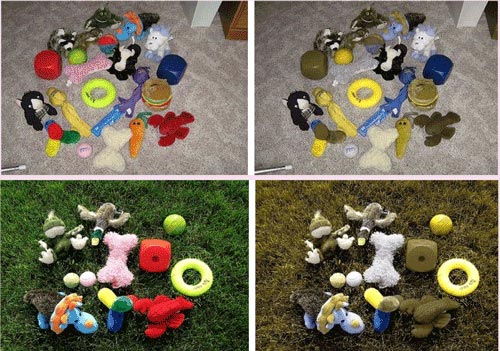
On the left is how a human with normal vision would see color. On the right is how a dog sees color.

On the left is how a human with normal vision would see color. On the right is how a dog sees color.

It was once believed that dogs only perceived the world in black and white. However we now know dogs have limited color vision compared to us. Dogs only have two types of color cones on their retinas vs. three for humans.

 Dogs see shades of yellows and blues with the reds and greens being left out. They can see variations in brightness, but their visual acuity is much less than ours. While most dogs are quick to pick up movement, they probably view the world more like a near-sighted person would.


Share this:
Share this page via Email Share this page via Stumble Upon Share this page via Digg this Share this page via Facebook Share this page via Twitter

Dogs and Raw Food Diets

Posted on September 16, 2014 by Sandra Wahlert DVM Posted in Education .

raw steak shaped into a question markShould I feed a raw food diet to my dog?

While some people claim to see a significant improvement in their pet’s health on a raw food diet, most veterinarians, the US Food and Drug Administration (FDA) and the Center for Disease Control (CDC) don’t recommend it.

Currently, there is no scientific evidence to support the feeding of a raw diet and many raw diets have nutritional imbalances. The bones found in raw diets may help keep the teeth cleaner, however there is always the risk of fractured teeth or intestinal trauma.

Further, raw foods have an increased chance of being contaminated with bacteria such as Salmonella, E. coli, and Listeria. All of these bacteria can also cause illness in humans.

Share this:
Share this page via Email Share this page via Stumble Upon Share this page via Digg this Share this page via Facebook Share this page via Twitter
Tags: diet, dogs, food, raw .

Cats and Urinary Accidents

Posted on September 2, 2014 by Sandra Wahlert DVM Posted in Education .
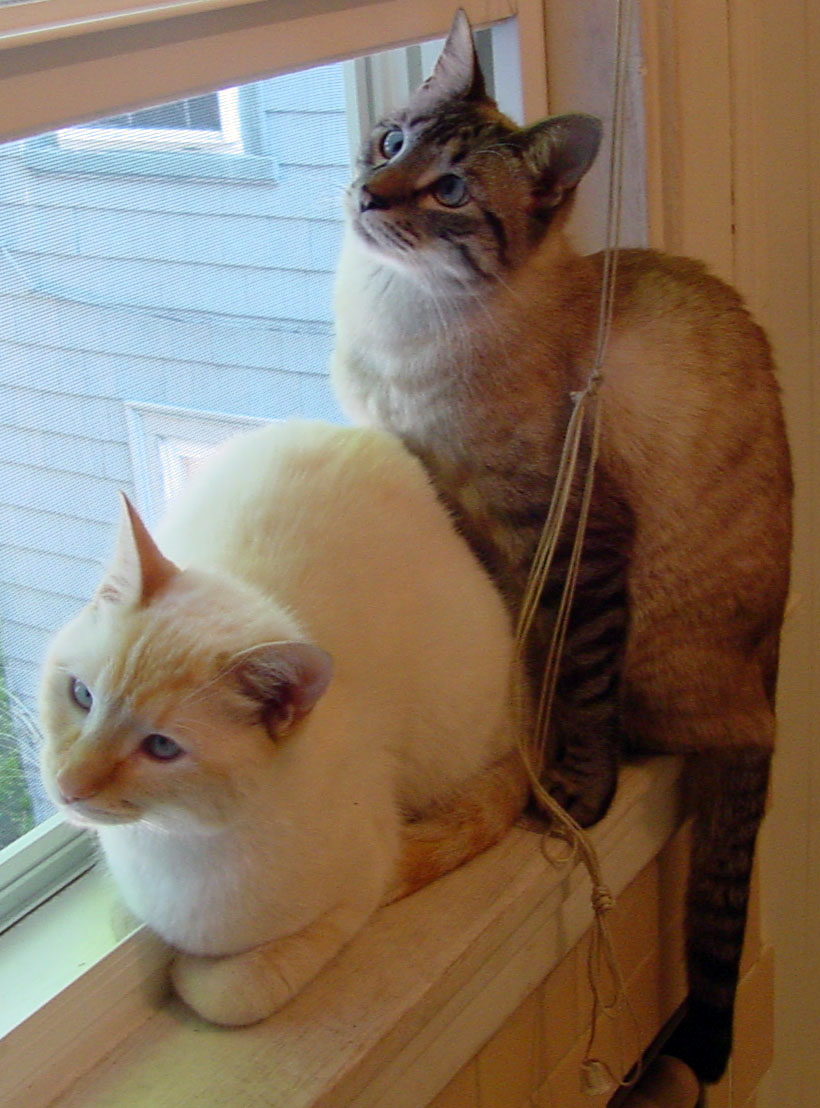
two cats on a window sill

Cats in multiple cat households often suffer from higher levels of anxiety

Does your cat have urinary accidents outside of the litter box?

Vertical spraying of surfaces is a territorial marking behavior in cats. However, urinary accidents on the floor, sink, bathtub, towels, clothes or other surfaces often suggests a medical issue. Cats can develop idiopathic cystitis of the bladder, and stress is a primary risk factor in this disease. Cats in multiple cat households often suffer from higher levels of anxiety.

Fortunately, Hill’s Science Diet has come out with a twist on their C/D (cystitis diet) food to help cat owners manage this disease. The company has added the amino acid L-tryptophan and hydrolyzed casein to their product. Both of these natural supplements have been shown to have a calming and stress reducing effect on cats.

Share this:
Share this page via Email Share this page via Stumble Upon Share this page via Digg this Share this page via Facebook Share this page via Twitter
Tags: c/d, cats, feline, litterbox .

Hot cars can cook your dog!

Posted on August 27, 2014 by Sandra Wahlert DVM Posted in Education .

Hot dogs are not cool. 70 degrees outside can equal 100 degrees in a carUnlike us dogs don’t sweat through their skin. Instead they use panting as a means to regulate their body temperature which is normally at 101 degrees Fahrenheit.  Your pet will literally start to cook their cells when their body temperature rises to 108 degrees Fahrenheit.

Cars in summer can easily exceed temperatures greater than 110 degrees Fahrenheit in just 10 minutes.

Overweight, heavy coated, and short nose dogs can be affected more quickly as can older or ill dogs or dogs on certain medications.

Running and playing can also lead to overheating so be sure to limit your dog’s exercise especially on hot, humid days.  Stay safe and leave your dog at home with plenty of shade and fresh water.

Share this:
Share this page via Email Share this page via Stumble Upon Share this page via Digg this Share this page via Facebook Share this page via Twitter
Tags: cars, dogs, overheat, summer, veterinarian .

Safely Remove Ticks

Posted on August 27, 2014 by Sandra Wahlert DVM Posted in Education .
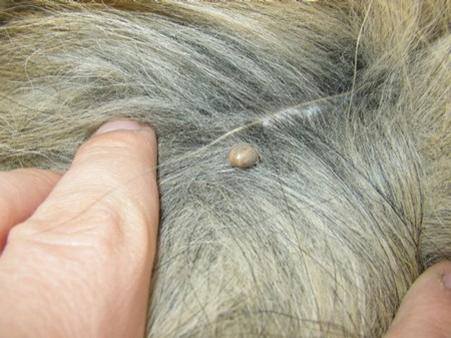
A tick on a dog

Sometimes a tick can be mistaken as a tumor or a wart at first glance, but closer inspection reveals 8 little legs sticking out of a plump body

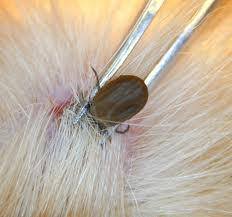
Tick on a dog being removed with tweezers

Grasp the tick with tweezers or similar item and pull gently and firmly

They appear overnight. Sometimes they are mistaken for tumors or warts, but closer inspection reveals 8 little legs sticking out of a plump grayish-brown raisin like body filled with the blood of the animal they are attached to. Disgusting indeed! Here’s how to safely remove these vile creatures from your pet’s body.

Using tweezers, hemostat, or small needle nose pliers gently, but firmly grasp the head of the tick as close to your pet’s body as you possibly can. Next exert a slow, steady, gentle pressure pulling the tick away from your pet’s body. This should dislodge the tick’s head and body with a small piece of skin. Then wash the skin and your hands with an antiseptic as ticks carry a variety of bacteria and disease.

So, step by step, here’s how to remove a tick:

Step 1: Firmly and gently grasp the head of the tick as close to your pet’s body as you possibly can with tweezers, hemostat or small needle nose pliers
Step 2: Slowly, steadily and gently pull the tick away from your pet’s body
Step 3: Wash the skin and your hands with an antiseptic


Share this:
Share this page via Email Share this page via Stumble Upon Share this page via Digg this Share this page via Facebook Share this page via Twitter
Tags: ticks, veterinary .

March is National Poison Control Awareness Month

Posted on November 27, 2013 by Scott Posted in Education .

National Animal Poison Control Center Hotline
Phone Number 1-888-426-4435

This line is staffed by ASPCA personnel 24 hours a day, 365 days a year. Some calls may incur a consultation fee. In the event that your pet consumes a poison, try to take in a sample of the product or plant and/or the bottle or packaging that the offending substance came in. A part of the plant or substance may help aid the veterinarian in identifying the toxin so appropriate treatment can be administered. In some cases there may be a specific antidote for the poison. The packaging or container labels on many substances, especially insecticides and rodentacides, contains a wealth of information about the product as well as potential antidotes or first aid treatment that can be administered.

Top 10 Pet Poisons

Human Medications
Insecticides
People Food
Plants
Veterinary Medicines in excessive doses
Rodenticides (rat poison)
Household Cleaners
Heavy Metals
Chemical Hazards

Top Ten Human Medications That Poison Pets

Nsaids (non-steroidal anti-inflammatory drugs) such as ibuprofen and naproxen
Antidepressants
Acetaminophen (especially in cats)
Methylphenidate for ADHD
Fluoroucil (an anti-cancer drug)
Isoniazid (for tuberculosis)
Pseudoephedrine (found in many cold medicines)
Anti-diabetic drugs
Vitamin D derivatives (Calcitriol, Calciprotriene)
Baclofen (muscle relaxant)

Insecticides

Always read the label directions on insecticides and yard sprays to determine when it is safe for a pet to come in contact with it.

Check topical flea and tick products for species information and directions on proper application. Some are safe for both cats and dogs while others are safe for dogs only. At Barnyard Veterinary Service & Supply, we carry Frontline which is effective against fleas, ticks, and lice and is safe for both dogs and cats. However it is not safe for rabbits.

People Foods

Grapes/Raisins
Avocados
Xylitol (sugar substitute often found in gum)
Chocolate (especially dark or baker’s chocolate)
Alcohol
Coffee
Fatty or salty foods
Yeast dough
Moldy or spoiled foods
Macadamia nuts
Onions/Garlic

Plants

Peace Lily, Amaryllis, Castor Bean, Oleander, Autumn crocus, Chrysanthemums (Mums), Azalea, Rhododendron, Sago Palm, Lilies, Kalanchoe, Schefflera, Cyclamen, English Ivy, Yew, Marijuana, Pothos, Tulip and Daffodil bulbs (dogs love to dig up bulbs planted with bonemeal)

Veterinary Medicines

Prescription medications given to your pet may be toxic in too high of a dose. Follow label directions carefully.

Rodenticides (Rat poison)

May be addicting to pets and toxicity gets worse with repeat ingestion.

Household Cleaners

Keep bleach and ammonia containing products out of your pet’s roaming area. We’ve seen some severe gastroenteritis cases due to pets drinking mop water with bleach in it or from drinking out of toilet bowls treated with those constant release bleach tablets.

Heavy Metals

Lead, zinc, mercury, etc. from old paint, household siding and construction debris, old lead shotgun shot, pennies, etc.

Chemical Hazards

Anti-freeze is one of the most common chemical intoxicants. It is sweet tasting so cats and dogs are attracted to it. Animals only need to ingest a small amount (a few teaspoons to tablespoons) of anti-freeze for it to cause severe kidney damage and death.

Share this:
Share this page via Email Share this page via Stumble Upon Share this page via Digg this Share this page via Facebook Share this page via Twitter
« Previous Page
Next Page »

Welcome

logo

Recent News

  • Do pet cats have special psychological needs?

Connect on Facebook

Connect on Facebook
  • Home
  • Services
  • Products
  • News & Education
    • Events
  • About
    • Emergency Care
    • Meet Our Staff
    • Employment
  • Resources
Barnyard Veterinary Service and Supply logo

Caring for God's critters, large and small.

1705 University Avenue
Hot Springs, SD 57747

(605)745-6888

CyberChimps WordPress Themes

© Barnyard Veterinary Service & Supply