Barnyard Veterinary Service & Supply

  • Home
  • Services
  • Products
  • News & Education
    • Events
  • About
    • Emergency Care
    • Meet Our Staff
    • Employment
  • Resources

Category Archives: Education

Shop with us online

Posted on March 30, 2016 by Sandra Wahlert DVM Posted in Education .

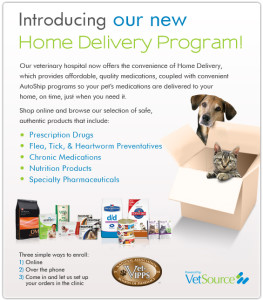
Home Delivery program adYou can now shop locally, online.

We have partnered with VetSource Home Delivery which will allow you to make purchases for your furry friends online and have their supplies delivered to your door. We can even set you up for your pet’s prescription medications!

 

Home Delivery

Click this button to explore our new eCommerce site!

Share this:
Share this page via Email Share this page via Stumble Upon Share this page via Digg this Share this page via Facebook Share this page via Twitter
Tags: Barnyard, cat, dog, ecommerce, home delivery, online shopping, pet, veterinary .

Pets Can Be Good Medicine

Posted on March 16, 2016 by Sandra Wahlert DVM Posted in Education .
dog and human sitting in the grass

Pets can be good medicine

Did you know that people with pets visit their physicians less often? The Human-Animal Bond Research Initiative recently announced that pet owners go to their doctor less often that people who don’t own pets.

Individuals who own a dog and actually got out and walked it five or more times a week had a lower incidence of obesity. The result was an estimated $419 million worth of health care related savings.

Caring for a pet may also reduce stress levels by giving someone something soft and furry to pet thus stimulating tactile sensory input into the brain. Furthermore, people  often experience less anxiety when they have to think beyond themselves and care for something else. It can also be comforting to have a non-judgmental companion that can make you laugh at their silly antics.

The bottom line is that pets can be good medicine for the heart and soul.

Share this:
Share this page via Email Share this page via Stumble Upon Share this page via Digg this Share this page via Facebook Share this page via Twitter
Tags: barnyard vet, medicine, people, pets .

The Cone of Shame

Posted on March 9, 2016 by Sandra Wahlert DVM Posted in Education .
The "Cone of Shame is also called an E-collar, Elizabethan Collar or buster collar

The “Cone of Shame is also called an E-collar, Elizabethan Collar or buster collar

Why must the “Cone of Shame” be endured?

Most dogs and cats hate having an Elizabethan or buster collar installed around their neck. Unfortunately it is sometime a necessary evil. These collars help prevent a dog or cat from self-mutilation in the event of a wound.

Once the itching/scratching cycle can be stopped, then the pet will likely become more comfortable. Sutured incisions or wounds usually take about 10-14 days to heal sufficiently for the sutures to be removed. If the pet licks the sutures out before this time the whole wound that you just spent a lot of money on to get fixed will come apart.

Depending on the severity and nature of the wound and your dogs personality, a clear collar, neck brace type collar, soft collar bandage, or body stocking may be substituted for the traditional white plastic E-collar.


Share this:
Share this page via Email Share this page via Stumble Upon Share this page via Digg this Share this page via Facebook Share this page via Twitter
Tags: Barnyard Veterinary, cat, cone of shame, dog, e-collar, elizabethan collar, Hot Springs, pets, SD .

What dental treats actually work?

Posted on February 17, 2016 by Sandra Wahlert DVM Posted in Education .
VOHC Seal

Look for the VOHC stamp of approval on dental home care products.

What dental treats actually work for decreasing plaque and tartar in my pet’s mouth?

If you are trying to improve the quality of your pet’s mouth, skip the box of bone shaped  treats. Studies have been done to show that both rawhide chews and Greenies can reduce plaque and tartar on your dog’s teeth.

There are some treats specifically designed for cats as well, if they are so inclined to oblige you with a trial.

For a list of pet dental products that have been shown to reduce plaque and tartar visit www.vohc.org and look for their stamp of approval on dental home care products.

Visit your local veterinary office for more tips on oral care in dogs and cats.

Share this:
Share this page via Email Share this page via Stumble Upon Share this page via Digg this Share this page via Facebook Share this page via Twitter
Tags: cat, dental, dog, pet, pets, treat, treats, VOHC .

Pet Dental Health Month – Pet foods to help pet’s teeth

Posted on February 10, 2016 by Sandra Wahlert DVM Posted in Education, Uncategorized .
February is National Pet Dental Month

February is National Pet Dental Month

Do they make pet foods designed to help keep my dog’s and cat’s teeth clean?

Yes! Research shows that 70% of cats and 80% of dogs will have some form of dental disease by the age of two years. Sticky plaque build up is the number one cause of periodontal (dental) disease.

Hill’s Science Diet T/D and Purina ProPlan’s DH are both prescription dental foods that are designed to reduce plaque and tartar when fed as the sole diet.  The larger unique kibble size is designed to scrape the tooth as it is chewed. Additionally the kibble breaks down more slowly in the pet’s mouth allowing for even more chewing and scraping action.

These foods are formulated to be fed to most adult or senior pets, but consult with your  veterinarian to make sure this is a good choice for your particular pet.


Share this:
Share this page via Email Share this page via Stumble Upon Share this page via Digg this Share this page via Facebook Share this page via Twitter
Tags: cat, dental, dog, palque, pet, pet food, pets, tartar .

Digital Thermal Imaging

Posted on February 3, 2016 by Sandra Wahlert DVM Posted in Education .
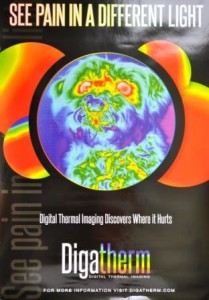
Gigital Thermal Imaging poster

Digital Thermal Imagining allows us to better evaluate and treat your four-legged friends.

We are proud to announce that we now offer Digital Thermal Imaging.

Veterinary patients do not seek medical attention themselves. An animal is most often presented to the veterinarian as a result of symptoms observed by an owner or caretaker. The veterinarian responsibility is to then evaluate and treat the animal as accurately as possible. Diagnostic evaluation is often aided by immediate visual cues.

Digital Thermal Images do not depict temperature but measure the radiant energy from the target tissue. These cameras read and illuminate this energy and are both non invasive and non destructive as an aid to patient diagnosis and improved treatment plan.

This new digital thermal imaging is best for musculoskeletal and inflammatory issues.

Ask us about Digital Thermal Imaging at your next appointment.


Share this:
Share this page via Email Share this page via Stumble Upon Share this page via Digg this Share this page via Facebook Share this page via Twitter
Tags: Barnyard, cat, chiropractic, digital thermal imaging, dog, laser, veterinary .

Dogs and Grain Free Food

Posted on January 18, 2016 by Sandra Wahlert DVM Posted in Education .

Pet-Food

There is a lot of hype on the internet lately about grain free dog foods. Does my dog really need a grain free food?

Dogs are true omnivores so they can utilize both animal and plant sources for essential nutrients. While dogs certainly utilize meat based diets well, grains can be a great source of protein, carbohydrates, fiber, essential fatty acids, vitamins, and minerals.

If your dog is allergic to a specific grain or animal protein, then by all means avoid that product. Incidentally, the most common food allergies in dogs are from beef, dairy products, wheat, lamb, egg, chicken, and soy.

The wisest choice for your pet is to choose a well-researched food from a reliable company that does extensive quality testing both on the raw products going into the food and on the finished product. Further make sure the company formulates their food based on nutrient profiles of each batch of actual ingredients versus just combining healthy sounding ingredients.

Share this:
Share this page via Email Share this page via Stumble Upon Share this page via Digg this Share this page via Facebook Share this page via Twitter
Tags: dog food, dogs, grain free .

Pet Food Ingredient Definitions

Posted on January 4, 2016 by Sandra Wahlert DVM Posted in Education .
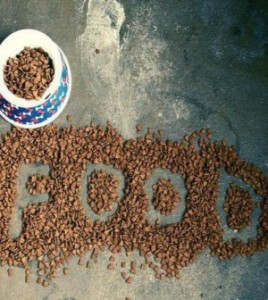
dry pet food spelling out the word food

What does your pet food say?

Chicken meal– dehydrated and defatted chicken. Provides a very digestible source of concentrated protein.

By-products -are produced as a result of processing an animal such as a cow or chicken for select cuts of meat. They may include clean internal organs such as liver, lungs, and heart. Broth and gelatin are also by products. By products can also come from plant sources. By- products are a valuable sources of energy, protein, vitamins, and minerals.

Animal Digest– is made by taking muscle and soft tissue from animals processed at USDA inspected facilities and breaking it down with a special digestive process similar to how our own stomachs process meat. This process makes a liquid “digest”.  It is an excellent source of protein and can be sprayed on  dry kibble to increase the flavor and taste of the food.

Share this:
Share this page via Email Share this page via Stumble Upon Share this page via Digg this Share this page via Facebook Share this page via Twitter
Tags: Animal Digets, By-products, cat food, Chicken meal, dog food, pet food .

Avoid pet food advertising hype?

Posted on December 14, 2015 by Sandra Wahlert DVM Posted in Education .
dry pet food spelling out the word food

What does your pet food say?

Avoid pet food advertising hype?

Some pet food companies do a great job of marketing to pet owners. They claim that their pet food is all natural as if suggesting that another companies’ food is not made up of edible products. With that being said there is a difference in the quality of pet foods on the market.

It’s always best to feed the highest quality food your budget will allow. While lower cost brands usually have adequate protein content, it can be excessive for the pet’s life stage.  Many of these foods also contain excess amounts of minerals (ash), including salt.

A veterinarian well versed in nutrition can be a valuable resource for helping one develop the best feeding plan for the pet. Stay tuned for a list of pet food terminology


Share this:
Share this page via Email Share this page via Stumble Upon Share this page via Digg this Share this page via Facebook Share this page via Twitter
Tags: cat, dog, food .

Obesity linked to inflammation

Posted on November 18, 2015 by Sandra Wahlert DVM Posted in Education .

overweight pug Over half of US cats and dogs are overweight or obese and their owners don’t even realize it.

Most people think fat is just this gross blobby stuff that looks awful and keeps one’s clothes from fitting. In actuality it is an active organ.

Adipose or fat cells produce a milieu of inflammatory compounds.  Extra weight puts stress on the joints, musculoskeletal system, and heart, but more importantly inflammation in the body has been linked to cardiovascular disease, diabetes, and cancer .

obese catSee your veterinarian for more information on assessing your pet’s weight and selecting the best food for your pet’s life stage and health needs.


Share this:
Share this page via Email Share this page via Stumble Upon Share this page via Digg this Share this page via Facebook Share this page via Twitter
Tags: cats, dogs, fat, obesity, overweight, pets .
« Previous Page
Next Page »

Welcome

logo

Recent News

  • Do pet cats have special psychological needs?

Connect on Facebook

Connect on Facebook
  • Home
  • Services
  • Products
  • News & Education
    • Events
  • About
    • Emergency Care
    • Meet Our Staff
    • Employment
  • Resources
Barnyard Veterinary Service and Supply logo

Caring for God's critters, large and small.

1705 University Avenue
Hot Springs, SD 57747

(605)745-6888

CyberChimps WordPress Themes

© Barnyard Veterinary Service & Supply